The Shared Counter: Keeping Cash Within Reach as Branches Recede
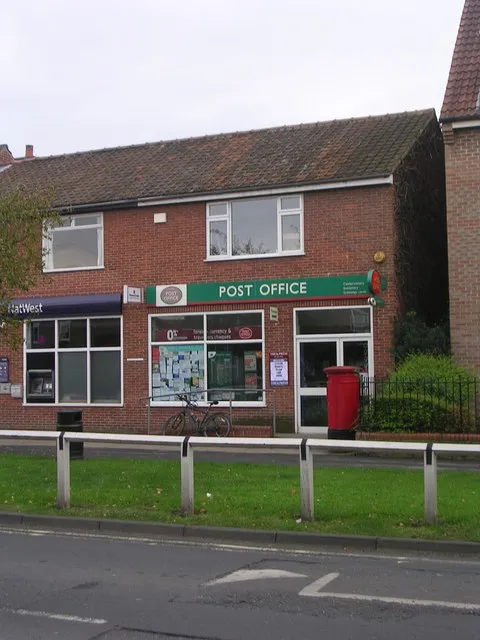
Photo: Betty Longbottom , CC BY-SA 2.0, via Wikimedia Commons
The closure of a local bank branch is now a familiar event on many UK high streets. The window display changes, the signage comes down and a notice directs customers to the nearest town or to a telephone line. It is understandable that households read such moments as a loss of control. Yet the withdrawal of a branch is not the same as the disappearance of cash banking. In 2026 the practical landscape is one of shared counters, agency arrangements and planned journeys. The task for households and small traders is to know where the counter is, what it can do and what it cannot.
The continuing case for cash
Cash is not merely a matter of nostalgia. For many households it is a budgeting tool: a physical withdrawal imposes a natural limit that a card does not. For others it is a safeguard against fraud, a way to keep everyday spending separate from the main account, or a necessity for paying traders and cleaners who prefer notes. Small businesses still rely on cash deposits, and community groups often handle cash subscriptions and collections. A finance system that works only through apps and cards may be convenient, but it is not complete. Access to a counter remains part of financial resilience.
The shared counter and the banking hub
Banking hubs have become the most visible answer to branch closures. These are shared premises, often supported by Cash Access UK and involving several banks, where customers of participating institutions can use counter services. The model is deliberately modest: a counter, a private room for sensitive conversations and a community banker who rotates between banks on different days.
A hub is not a full branch. It typically handles everyday transactions such as cash deposits and withdrawals, cheque deposits, balance enquiries and help with cards or PINs. It may also offer support with account access and referrals. It is not the place for complex mortgage advice, investment decisions or the full range of lending appointments. Hours are finite, and services can vary by location. Readers should check the hub's published timetable before travelling, and confirm whether their bank participates on the day they intend to visit.
The Post Office as a working counter
Post Office counters remain a practical route for many everyday banking tasks. Customers of a wide range of UK banks can deposit cash and cheques, withdraw cash and check balances at participating branches. The arrangement is an agency one: the Post Office handles the transaction, but the bank sets the limits and rules.
Those limits matter. Daily deposit and withdrawal caps vary by bank and by account type. Some business accounts attract fees for Post Office transactions, while personal accounts may not. A paying-in slip or bank card may be required, and larger transactions may prompt identity checks. The Post Office is also not the bank itself; it cannot resolve every dispute or alter account terms. It is a counter, not a complaints department. Used with those limits in mind, however, it can keep routine banking within a short journey.
ATMs, cashback and mobile services
Free-to-use ATMs in supermarkets, petrol stations and high streets continue to provide straightforward withdrawals, though not deposits. Cashback at a till, where a retailer offers it, can reduce the need for a separate ATM trip, but it depends on retailer discretion and is not a guaranteed service. Mobile banking branches and community pop-ups fill some gaps in rural areas, often on a published timetable. These are useful supplements, not universal replacements. Their hours may be limited, and their services may be narrower than a fixed counter.
The limits worth knowing
A calm approach begins with recognising that every access route has boundaries. Daily cash withdrawal limits, deposit limits and per-transaction caps are set by banks and can differ between accounts. Funds deposited by cheque may not be immediately available. Business customers may face fees. Complex tasks — changing an account mandate, registering a power of attorney, reporting a bereavement or applying for lending — often require a telephone call, an appointment or a postal route rather than a counter visit.
It is sensible to keep a written note of these limits, or to check them in the banking app before making a journey. Ask for a receipt for every counter deposit. Keep a record of the date, amount and location. If a transaction is urgent, use more than one route where possible: a counter deposit plus a digital transfer, for example, rather than relying on a single service that may be unavailable.
Planning a routine around fewer visits
Fewer branches do not have to mean less control. They do require a little more planning. Households can batch cash tasks into a single monthly journey, keeping a modest buffer at home for ordinary spending. They can check hub and Post Office hours in advance, confirm which bank is represented on which day, and note the nearest free ATM for withdrawals. For those who are less mobile or who manage money for a relative, it is worth identifying a trusted helper and asking the bank about third-party access or power of attorney arrangements before a crisis arrives.
Digital banking can carry much of the routine work: balances, transfers, standing orders and card controls. Cash remains the fallback for the transactions that need a physical presence. The sensible arrangement is not to choose one entirely over the other, but to know which does what.
At Castle Bank, the view is that access is a form of stewardship. A branch may recede from the green, but the counter has not vanished. It has been shared, moved and reorganised. A household that maps its alternatives — the hub, the Post Office, the ATM, the mobile service — and records their limits is not resisting change. It is keeping the ledger open, and keeping control within reach.